















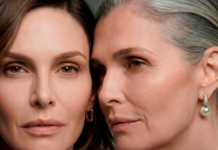

One thing is a fact: semi-jewelry not only completes the look with information on fashion, refinement and elegance, but they also bring out all the personality and style of those who wear them. But, have you ever stopped to think about the history surrounding semi-jewelry? To find out, let's go back to the past. Yes, semi-jewelry passes from generation to generation, remaining one of the main fashion icons.
Ancient Origins:
Semi-jewelry has its roots in ancient civilizations, where they were appreciated for their beauty and symbolism. It is known that prehistoric man, for example, already adorned himself with the purpose of protecting himself.
Egyptians, Romans, Greeks, and Indians are also just a few of the cultures that valued adornments made with semi-precious materials, such as semi-precious stones, gold-plated metals, and silver.
Renaissance and Victorian Era:
During the Renaissance and Victorian Era in Europe, semi-jewelry gained popularity among the nobility and the upper class. It was used to demonstrate status, wealth, and good taste. During this time, semi-precious stone cutting techniques and metalwork reached new heights of excellence, resulting in pieces of exceptional beauty.
Boom of the Semi-Jewelry Industry:
The twentieth century saw a significant increase in the production and popularity of semi-jewelry. With advances in manufacturing technology and an increasing variety of materials available, semi-jewelry became more accessible to the general public. This democratization of fashion allowed people to express their personal style without spending a fortune. Thus investing in quality, durable, and affordable pieces.
Modern Innovations:
Today, semi-jewelry continues to evolve with innovative designs and high-quality materials. New manufacturing techniques and material combinations make it possible to create pieces that rival the beauty and brilliance of fine jewelry, at a fraction of the cost. In addition, the growing concern for sustainability and ethics in the fashion industry, has driven the development of semi-jewelry made with natural materials and responsible production processes. Here at gas, for example, we care about the environment, so we follow a rigorous production process. Access the link and learn about the practices adopted by Gazin to take care of the Environment.
In addition, we care about the well-being and health of those who wear them, so all our semi-jewelry is Nickel Free, that is, hypoallergenic.
Read our article that talks All about semi-jewelry.
Nowadays, although semi-jewelry is mainly used as an aesthetic adornment, we can still notice that the use of these accessories is an inheritance passed down from civilization to civilization. That is, it is present in different cultures and demonstrates that the desire for accessories is a human characteristic. In addition, much of what we see today has ancient characteristics, an evolution that began centuries ago:
Egyptian
Although there was an aesthetic and, mainly, social issue, the Egyptians also wore jewelry to protect themselves.
Including the eye of horus, which later influenced the Greek eye. We can also highlight other influences, such as the pieces with snakes and insects.


Greek
The Greeks incorporated the use of earrings, bracelets and necklaces. Pieces that continue to be highlighted today.


Middle Ages
Precious stones gained prominence and began to be incorporated into the pieces, in addition, the religious side began to gain more attention. And let's combine? It remains to this day!


Byzantines
Some techniques were developed such as:
- Polychromy – when several colors are used in the same figure
- Filigree – when you create designs and shapes from ultra-thin metal threads


Gothic
The pieces became more elongated and angled.


Baroque
The pieces continue to be a symbol of great wealth and status. However, the symbols highlighted are related to nature and flowers.


Renaissance Period
Jewelry becomes part of people's style, with a more refined aesthetic.


Rococo
Here the jewelry gains the concept of luxury pieces, and presents intense colors and asymmetrical shapes.


Art Deco
At that time, the pieces began to have a more modern appearance. In addition, they began to be made of simpler materials. The jewelry/semi-jewelry market opened and this concept was developed.


And thanks to all these evolutions throughout history, today we can enjoy beautiful semi-jewelry, with quality, durability and a great cost/benefit ratio.


See more options here https://gazinsemijoias.com.br/